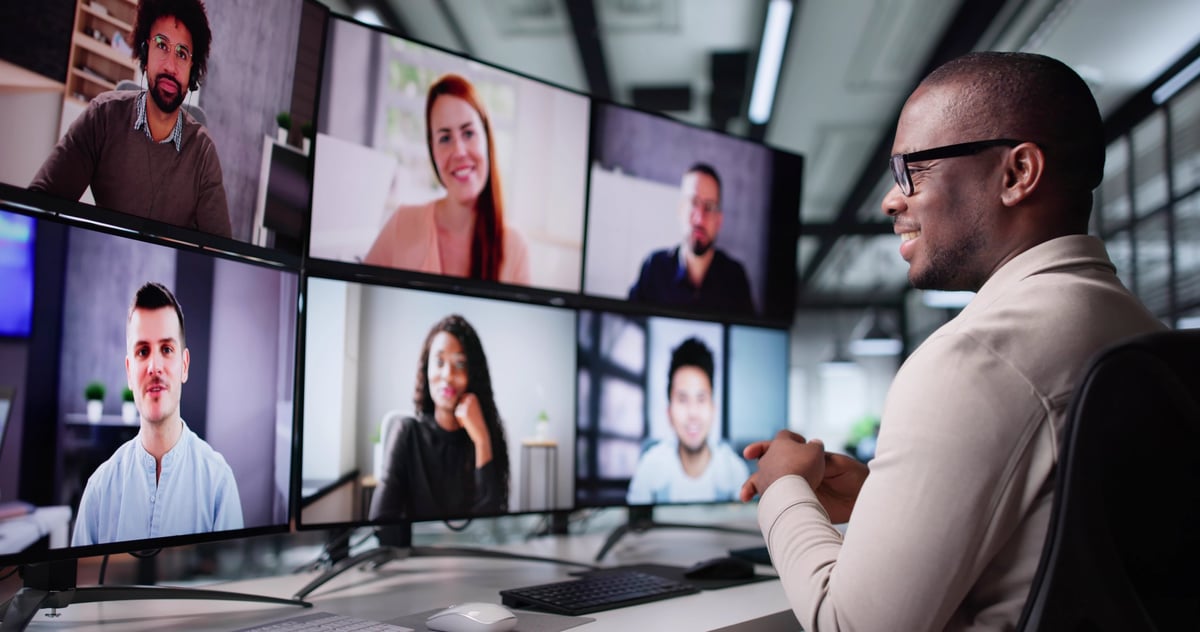
Psychological safety—the belief that you won't be punished for speaking up—is the foundation of high-performing teams. And it's harder to build when everyone is remote.
In an office, you pick up on cues: the hesitation before someone speaks up, the body language that says "I'm not comfortable," the casual conversations that build trust. Remote work strips away these signals.
I've watched talented teams struggle not because they lack skills, but because no one feels safe enough to say "I don't understand" or "I think we should try something different."
Leaders, model this first. When you admit uncertainty, you give permission for others to do the same.
Don't rely on serendipitous hallway conversations. Schedule 1:1s and start meetings with personal check-ins.
The person who asks "why?" is just as valuable as the person who answers. Make that clear.
Some people think better in writing. Give team members options to share ideas via Slack, Loom, or written formats.
When even one person feels unsafe to speak up, you lose their perspective. Psychological safety isn't soft—it's strategic.
The Team Tune-Up program helps teams rebuild psychological safety.
Learn About Team Tune-Up